We’ve all eaten or had a drink in the car at some point or maybe your kid dropped a snack or spilled juice between the seats. Days later, the area feels sticky or starts to smell a little off. That’s often because of perforated leather seats.
They look classy and add comfort, especially in luxury vehicles. But those tiny holes, designed to help with airflow and cooling, can trap dirt, crumbs, and liquids if not cleaned properly.
In this blog, you’ll find a simple, step-by-step guide to safely clean and maintain your perforated leather car seats at home
Step-by-Step Cleaning Process
Vacuum the Seats to Remove Dirt and Dust
Start with a soft vacuum nozzle to clean off crumbs, dust, and dirt. Pay close attention to the perforated areas; those tiny holes can hide all sorts of dirt, and if you skip this step, you’ll end up rubbing that dirt deeper in when you start wiping.
Use Compressed Air to Clean Out Perforated Holes
After vacuuming, use compressed air to loosen any dust stuck inside the tiny holes that the vacuum couldn’t reach. Just be sure to hold the can a few inches away so you don’t damage the leather seats.
Apply Leather Cleaner Around the Holes
Apply a small amount of leather cleaner to a microfiber cloth. Never spray it directly onto perforated leather. Gently wipe the seat in small sections. For stubborn spots, use a soft brush to clean without pushing product into the holes. Be extra careful during this step to prevent any liquid from getting inside.
Dry the Surface Gently with a Clean Cloth
After cleaning, take a dry microfiber cloth and gently blot the surface to absorb any leftover moisture. Focus on the perforated areas, and avoid rubbing too hard, as that could push moisture deeper into the holes. Let the seats air dry naturally for a few minutes.
Condition the Leather to Keep It Soft and Protected
After the leather is fully dry, apply a small amount of leather conditioner to a microfiber cloth. Gently rub it into the leather using circular motions, but avoid the perforated holes. You want to moisturize the leather, not clog the holes with conditioner. After a few minutes, wipe off any excess with a clean, dry cloth. This step helps keep your seats fresh-looking and protected.
Final Check and Leather Care Tips
Now that your seats are clean and conditioned, take a few minutes to do a quick check for any missed spots, especially around the seams and perforated sections.
To keep your perforated leather seats looking great, follow these simple care tips:
Wipe regularly
Avoid eating or drinking in the car. If you do, clean up spills right away.
Avoid harsh cleaners
Protect from the sun
Condition every few months
Conclusion
Perforated leather seats might look fancy, but they need the right care and know-how to stay that way. By following these steps, you can keep your seats looking like new. A little regular maintenance goes a long way in protecting your car’s interior.
FAQ Section:
Q1: Can I use household cleaners on perforated leather seats?
It’s not recommended. Most household cleaners are too harsh and may dry out the leather. Always use a leather-specific cleaner
Q2: Can I clean perforated leather seats regularly using just conditioner?
For regular cleaning, always use a leather cleaner first, then apply conditioner as a follow-up step to keep the leather soft and prevent cracking.
Q3: Can I use a steam cleaner on perforated leather?
No, steam cleaners can force moisture into the holes and damage the leather.
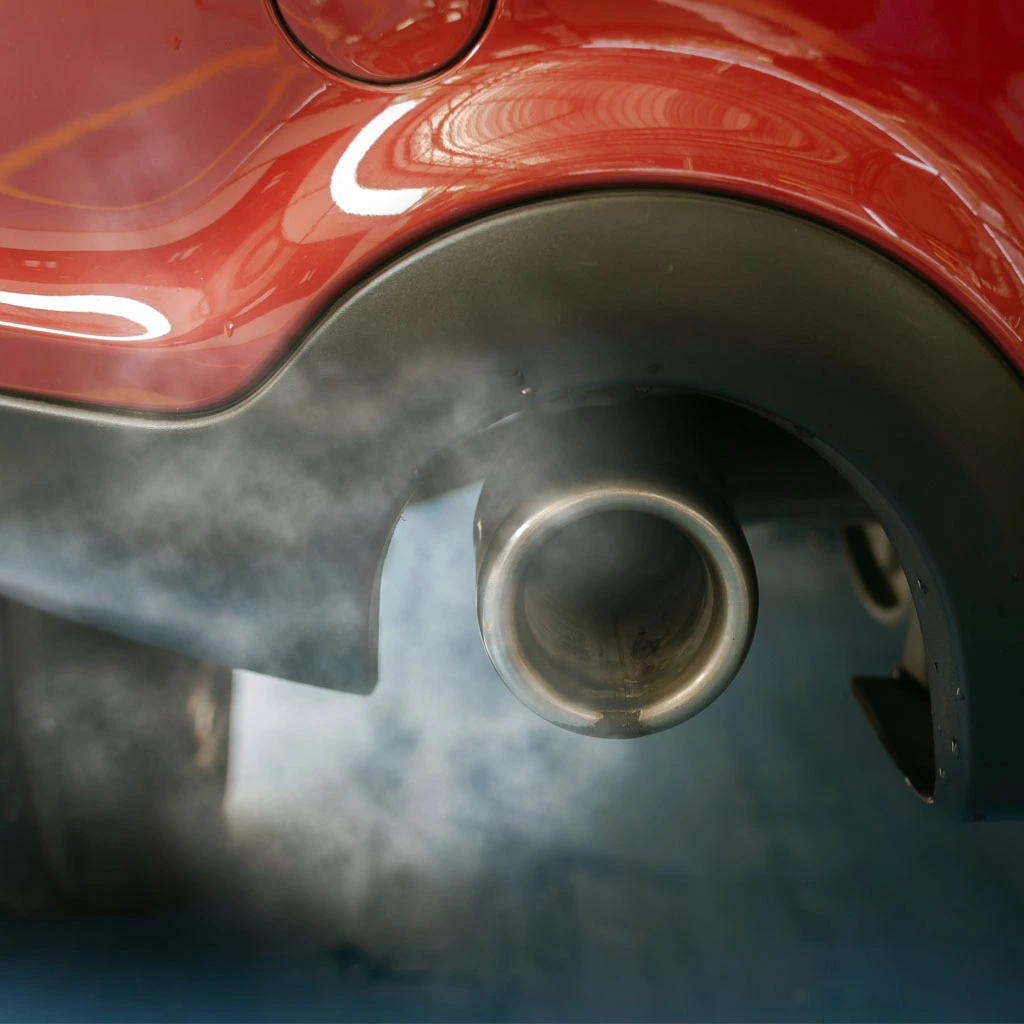
As car owners, we are all familiar with Blue exhaust smoke, and we have all seen oil additives that claim to eliminate it. We will be discussing the Best oil Additive to Stop Smoke.
Oil additives are chemicals that are mixed into the engine burning oil to improve lubrication. They alter the oil’s viscosity, ensuring that the engine works smoothly and can best oil additive for burning oil issues in your car.
Oil additives are applied to your engine oil to increase the engine’s lifetime and performance. This is accomplished by lowering the amount of oil wasted in the engine, which is the source of the smoke.
It’s not a pleasant sight to see cars spewing clouds of smoke behind them. Smoke from your exhaust may not indicate terminal damage or costly repairs, despite the fact that it is hardly the picture of a properly functioning car.
It’s just an indication that the vehicle isn’t performing at its best and needs some maintenance and attention to get back on track.
We’ve hand-selected the best oil additives to stop smoke for you, along with a review of each.
Due to their time-tested, high-quality range of vehicle boosting items, Wynn’s is a name we always seek to for best oil additive to stop smoke.
Their stop smoke solution does exactly that; it is meant to reduce blue smoke generated from your car’s exhaust as a result of oil burning.
This substance improves the viscosity and flexibility of your engine oil by mixing with it. The oil’s new characteristics allow it to effectively seal gaps between worn-out engine components that previously allowed oil to leak through.
Improving oil quality will minimize oil burn caused by high temperatures or high loads, providing additional protection for the oil when driving at high speeds or with heavy loads.
This can be the best oil additive for burning oil , With the exception of a tiny proportion of bigger engine automobiles, one can treat between 3 and 6 liters of engine oil, which is acceptable for virtually all vehicles in the UK.
It’s easily added when you get your oil changed. All gasoline, diesel, and LPG-powered cars are compatible. Even at extreme temperatures, the WYNNS solution ensures a thick protective oil film, allowing your engine to run longer.
If you have the funds, it may be utilized in a number of engine types, making it a smart choice. It may be used as a preventative step to aid your engine as well as a remedy to smoke-related concerns.
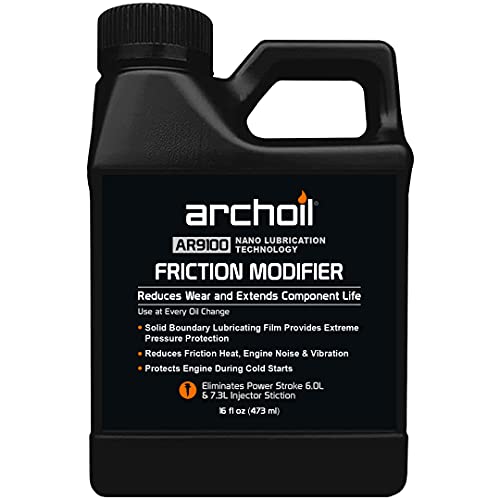
Archoil AR9100 is an oil additive that may be used in gasoline and diesel engines. What sets it apart is that it can resolve Powerstroke cold start issues, potentially saving you a lot of money in the long run.
It has the ability to minimize engine noise, friction, and vibration. Because the oil treatment is comprised of zinc, it can reduce the wear and strain on your engine parts. It also enhances the hydraulics, steering wheel, and gearbox’s oil usage and performance, can be the best oil additive for burning oil issues.
The bottle has a capacity of 16 fluid ounces, which will last you a long time before you need to replace it. The Archoil AR9100’s most serious flaw is that it doesn’t perform well in hot environments.
If you live in a chilly or cool climate, though, you may still use it comfortably.
Simply avoid storing it in a chilly garage throughout the winter months, or it may become coated. It increases your fuel efficiency, extends the time between oil changes, and eliminates needless stiction and cold starts during inclement weather.
In the process, the AR9100 produces a smoother and quieter engine, resulting in a better driving experience. When this oil additive to stop smoke is absorbed on metal friction surfaces, it produces a protective boundary line lubricating layer.
It also fills in any surface irregularities, resulting in a smooth, hard film. AR9100 can assist minimize friction between surfaces since it has a lower covering strength than other metal bonds.
As a result, more electricity is generated, money is saved through improved fuel efficiency, and heat is reduced.
You’ll also notice a significant reduction in engine noise and vibration, resulting in a much more pleasant ride.
Pros
engine is protected during cold starts
Sludge and varnish deposits are cleaned
Improves the engine oil and slows down its deterioration
Another well-known name in the industry that makes the best oil additive to stop smoke is Liqui Moly.
Their recipe is identical in principle to that of their competitors, preventing oil burn within the combustion chamber and ensuring that extra oil is used to the bare minimum.
It is specially designed to prevent oil from flowing through worn piston rings and valve guides in an engine.
It will keep the oil viscosity from changing during temperature extremes, which would normally thin the oil and enable it to flow into the combustion chamber and can be used as the best oil additive for burning oil issues in your car.
This will also provide additional protection for the engine’s internal components and the catalytic converter.
At your next oil change, just pour the contents of one container into 4-6 liters of motor oil. If there is excessive oil consumption, the product can be applied in between services.
Smoke Stop by Liqui Moly is compatible with both gasoline and diesel cars, as well as all commercially available lubricants.
The addition is based on a better viscosity index improver substance that continues to function overtime to maintain the oil viscosity high.
The product works through the valve guides and piston rings and is suited for gasoline and diesel engines. The product size is adequate for 4-6L engines, but bigger engines will almost certainly require additional pieces.
Pros
Prevents oil burn and excessive use of oil
At high temperatures protects the viscosity of the oil
Rislone Ring Seal Smoke Repair is made up of high-shear polymers that cover engine components including pistons and rings to improve sealing, increase compression, and reduce blow-by, and blue exhaust smoke and can be a best oil additive for burning oil issues in your car.
Rislone Ring Seal Smoke Repair is compatible with gasoline, diesel, and LPG engines, as well as supercharged and turbocharged engines. A single bottle can cure up to 4-6 liters of oil.
This product may be used in 4-stroke ATVs, motorcycles, and other small engine vehicles in addition to automobiles.
It is suggested that 100ml per liter of oil be used in these engines.
This oil additive works to reduce blow-by build-up in the crankcase, which is a typical problem caused by small internal engine gaps caused by wear.
It works with traditional, high-kilometer, and synthetic engine oils in both hot and cold conditions. It adheres to metal surfaces and forms a protective layer, allowing oil to flow freely in all-weather situations.
The product, which is also designed to cushion and coat engine components to decrease wear and quiet noisy lifters, maintains oil flow characteristics in both hot and cold conditions and may be added to engine oil at any time; it works with traditional, high-mileage, and synthetic engine oil.
This stop smoke solution, which is specifically intended for older automobiles burning oil, seeks to resolve and avoid oil burn within your car’s engine, which causes unwanted blue smoke from your exhaust and excessive oil usage.
By renewing old components like piston rings and valve seals, the active solution claims to eliminate undesired play in engine parts.
As a result, the engine runs more smoothly, resulting in improved performance and perhaps higher fuel economy.
Because of the high concentration of the product, the engine oil has more viscosity, which ensures greater adherence to moving components, extending engine life and reducing future reliability issues.
This additive’s active ingredient eliminates unnecessary play between worn engine components like piston rings and valve seals while also making oil seals more flexible and allowing them to seal optimally.
Because Stop Smoke Pro optimizes all of the engine’s components, the compression ratio of the engine rises.
As a consequence, the engine performs better, producing greater power while using less gasoline.
This oil additive to stop smoke is compatible with all current engine oils and may be used in cars fueled by gasoline, diesel, LPG, or CNG.
One can of this oil additive treats up to 5 liters of motor oil (ideal for most engines under 2.5 liters in size), and it’s easy to mix and apply at the next oil change you may find a the best oil additive for burning oil issues if there are any in your car.
Because of the additives package’s concentrated composition, the oil’s viscosity rises.
This enhances lubrication by ensuring that the oil sticks more efficiently to the moving components of the engine.
As a result, the engine’s service life is significantly extended.
Pros
Compression is improved
Can be used with a variety of oils
The catalytic converter is not harmed
Engine noise is reduced
Reduces exhaust smoke and improves viscosity, reduces oil burning
Cons
no mention of biodiesel vehicle compatibility
bigger engine cars, numerous cans are likely to be required.
Oil additives are rarely created with a single objective in mind, thus most products help your vehicle in a number of ways.
Reduced friction, reduced fuel consumption, and rust prevention are the three most frequent in the oil additive and also be the best oil additive for burning oil issues in your car.
Most oil additives have a lubricating effect, which decreases friction between the engine’s metal sheets and helps to extend engine life.
Because the engine is under less stress after an oil change or two, your fuel consumption per gallon should drop by around 1-2 miles per gallon.
To get the most bang for your budget, search for chemicals that prevent corrosion and rust as well.
Detergent properties can be found in several motor oil additives. This would be beneficial in unclogging contaminants trapped between engine parts and lowering the high friction.
Oil additives, on the other hand, can be used to control temperature. The oil additive works by decreasing engine oil loss, which creates a buildup of smoke in your exhaust pipe. It also cuts down on engine noise.
To prevent oil leaks, a high-quality engine oil additive should be able to seal tiny scratches and micro cracks.
This might save you a lot of money in the long run since you won’t have to replace the leaking oil as often.
Conclusion
You already know how vital it is to have your car’s oil changed on a regular basis.
Your car’s core components and systems might suffer significant issues if you don’t have them, and you could end up with expensive repairs you don’t want to pay for.
What you might not consider as often as your oil changes, though, is what your oil is doing under the hood.
Whether you rely on your oil to keep your engine and all of its components operating smoothly, you should check with it to look for the best oil additive to stop smoke.
Is oil pressure improved by oil additives?
Yes. Oil pressure can be improved with most additives, but only momentarily. If your car has low oil pressure, it might indicate that there are significant engine problems that need to be handled by a professional.
Can oil additives hurt my engine?
If you pick an oil additive that is intended to function with the type of oil your car requires, you shouldn’t have any problems with your engine. Some additions are general, while others are more specific, so double-check the suggested use cases before deciding which one to employ.
How often should I change my oil additive?
Your vehicle’s owner’s handbook will tell you. Oil additives must be combined with motor oil; therefore, do so every time you change the oil.
You’re late for work, coffee in hand, and your car won’t start again. And you’re left wondering: What Keeps Draining My Car Battery?
A drained battery can be puzzling, particularly when things appear a mess. You may have switched off the lights, or the battery might be brand new. What could be the issue?
In this guide, we’ll break down the most common things draining your car battery and show you how to fix them, even if you’re not a mechanic.
Common Causes of Battery Drain
1. Lights Left On:
Sometimes, a light inside your car is on, draining your battery. This can happen when you turn off the car, but the door isn’t closed properly, or a switch is left on. Some new cars have a feature that turns the lights off automatically, but if your car doesn’t, you have to switch them off yourself otherwise, they can drain your battery.
2. Old Battery:
Every part has its limit, After about three to four years, you may notice your car takes longer to start. Especially in cold weather, you may notice your engine starts more slowly, your lights look dimmer, or you need a jumpstart more often. It starts draining faster than it should, so it’s not a small issue. These are the signs your battery should be replaced before it leaves you stuck.
3. Big Temperature Swings:
If your battery is old, your car won’t handle very hot or very cold weather well. In summer, the heat can dry out the battery, and in winter, the cold can slow it down, making it harder to start your car. A new battery can handle these temperatures much better.
4. Quick Drives And Long Breaks:
The battery slowly drains when you only take quick drives, like running to the nearby grocery store. In those short trips, the alternator doesn’t get enough time to fully recharge the battery. Also, if your car sits parked for weeks without being driven, the battery keeps draining even if it’s pretty new.
5. Battery Not Plugged In Right:
The metal connectors on your battery can become loose or dirty over time, especially if you drive on bumpy roads. If they’re not tight or covered in white or greenish powder, your car might not start easily. It also makes it harder for the battery to send power to the car and can even affect your car’s electronics.
In-Depth & Overlooked Battery Drains:
1. Parasitic Battery Drain:
Sometimes, small systems continue running even when the car is off, like a tiny light in the glove box, security systems, USB port, power seats, dashcams, or the clock. To avoid this, double-check that your glove box is fully closed and no lights are left on when you leave your car. Otherwise, you might come back to a dead battery. If you think you’re dealing with a parasitic drain, you can check it yourself by disconnecting the battery, using a multimeter, and looking for a current draw over 50 milliamps. If you find one, start pulling fuses one at a time to figure out which system is causing the issue.
2. Battery Not Getting Charged While Driving:
When you start your car, the battery does the work. The alternator keeps it charged while you drive. If the alternator isn’t working properly, the battery won’t get the power it needs. So even if you were just driving, your car might not start the next time you try. This kind of charging problem can drain your car battery.
3. System Glitch in Car Electronics:
You park your car at night, everything seems fine, but in the morning, the battery is dead. It could be because something is wrong with parts of your car, like the BCM or Engine Control Unit, which control electrical systems. These systems act like the car’s brain, and if they glitch or don’t shut down properly, they can slowly drain your battery without you knowing.
4. Extra Stuff You Installed in Your Car
Let’s say you leave a phone charger plugged in all the time, even when the car is off it could leave you with a dead battery by morning. Things that didn’t come with your car, like a custom sound system, dash cam, or extra lights, can also keep pulling power from your battery if they’re not wired properly.
5. Bad Fuses or Ground Wires
It happens when there’s an issue with the electrical connections in your car. Fuses protect your car’s electrical system from getting too much power. If the fuse is broken, it can stop parts of your car from getting power. Ground wires are the pathways that complete the electricity flow. If these wires get disconnected, your car’s electrical systems may not work properly, which can drain your battery.
“Did you know that a car battery typically lasts 3-5 years? However, about 25% of drivers experience battery failure before it reaches that age, often due to factors like electrical drain and extreme weather.”
Tips to Keep Your Battery Healthy
Use a Smart Battery Charger
A smart charger keeps your battery healthy by giving it exactly the power it needs. It automatically stops when the battery is full, so it doesn’t overcharge. It’s perfect if your car stays parked for a long time.
Get Your Electrical System Tested Annually
Once a year, have a mechanic check your battery and electrical system. This helps find small problems early before they leave you stuck with a dead battery.
Clean your terminals
Clean your battery terminals regularly to make sure the battery can send power properly. The most common way to clean them is by using a mixture of baking soda and water.
Protect the Battery with an Insulation Kit
You can use a battery insulation kit in very hot or cold weather to protect your battery. It helps the battery last longer and work better.
Double-Check Lights
Before leaving your car, always check that all the lights are off. This helps prevent the battery from draining overnight.
Conclusion
Taking care of your battery can save you from unexpected breakdowns. By understanding the common causes of battery drain and following these prevention tips, you can keep your battery healthy for longer. A little attention and regular checks will help keep your car running smoothly. Otherwise keep on thinking What Keeps Draining My Car Battery?
Calculate the cost of your next road trip with this fuel cost calculator. Enter the distance, fuel efficiency, and fuel price, and get an instant estimate of how much you’ll spend on gas. Choose between miles or kilometers, and miles per gallon or kilometers per liter. Perfect for planning your next adventure and staying within your budget!
If you want to know how you can increase gas mileage of your truck you can see here.
Fuel consumption calculator
Are you concerned about your vehicle fuel consumption? With rising gas prices and environmental concerns, many drivers are looking for ways to improve their vehicle’s fuel efficiency but before improving you should have an estimate of what your car should consume One useful tool to help you monitor your fuel consumption is a fuel consumption calculator.
A fuel consumption calculator is a simple and easy-to-use tool that can help you calculate your vehicle’s fuel economy. inputting the Cost of fuel you’ve purchased or want to Purchase and the distance you’ve traveled or want to travel you can get the cost that , the calculator can give you an accurate estimate of your vehicle’s fuel efficiency in miles per gallon (MPG) or liters per 100 kilometers (L/100km).
Using a Fuel Cost Calculator can help you identify areas where you can improve your vehicle’s fuel efficiency, such as reducing your speed or avoiding excessive idling. By making small changes to your driving habits, you can save money on gas and reduce your carbon footprint.
At Garage Beast, we offer a user-friendly and accurate fuel consumption calculator that can help you track your vehicle’s fuel efficiency and make informed decisions about your driving habits. Our calculator is easy to use, and it can help you save money on gas while also reducing your impact on the environment.
So if you’re looking for a simple and effective way to monitor your fuel consumption, try our fuel consumption calculator today. With just a few clicks, you can get an accurate estimate of your vehicle’s fuel efficiency and start taking steps to improve it.
Gas cost calculator
The Gas Cost Calculator, created by Garage Beast, provides customers with an accurate estimate of the fuel cost for their vehicle. By simply inputting the cost of fuel, fuel average, and distance to be traveled, customers can easily determine the amount of fuel they will need and the cost associated with their trip.
The Gas Cost Calculator is a powerful tool that allows customers to make informed decisions about their travel expenses. Whether planning a road trip or simply commuting to work, the Gas Cost Calculator provides an easy and effective way to estimate the cost of fuel.
With the Gas Cost Calculator, customers can save time and money by quickly and accurately estimating their fuel costs. By using this tool, customers can make adjustments to their travel plans or driving habits to save money on gas and reduce their carbon footprint.
The Gas Cost Calculator is user-friendly and accessible, making it a valuable resource for anyone who wants to better manage their travel expenses. Whether you are a seasoned traveler or a first-time driver, the Gas Cost Calculator is an essential tool that can help you make the most of your travel budget.
In conclusion, the Gas Cost Calculator created by Calculator Garage Beast is a must-have tool for anyone who wants to save money on fuel costs. By inputting the cost of fuel, fuel average, and distance to be traveled, customers can easily estimate their fuel costs and make informed decisions about their travel expenses. So, why not try the Gas Cost Calculator today and start saving money on your fuel costs?
Factors that can change the fuel prices
Crude Oil Prices
Crude oil prices, which is the most significant factor that affects fuel prices. Crude oil is the raw material used to produce fuel, and its cost fluctuates based on factors such as supply and demand, global market trends, and geopolitical events.
When crude oil prices increase, the cost of producing fuel also increases, leading to higher fuel prices for consumers.
On the other hand, when crude oil prices decrease, fuel prices may also decrease, depending on other factors such as taxes and production costs.
Seasonal demand
seasonal demand, which refers to the changes in demand for fuel during different seasons of the year. During peak travel periods, such as summer holidays, fuel demand can increase, leading to higher fuel prices.
This is because the increased demand for fuel can cause a strain on the supply chain, leading to higher production costs and increased transportation costs.
On the other hand, during off-peak periods, such as winter, fuel demand may decrease, leading to lower fuel prices.
Therefore, seasonal demand can hugely impact fuel prices, and consumers may need to adjust their driving habits or travel plans accordingly to save money on fuel costs.
Refining costs
refining costs, refers to the cost of refining crude oil into fuel. Refining crude oil is a complex and costly process that requires advanced technology and a skilled workforce.
The refining cost can vary depending on factors such as labor costs, maintenance, and the age of the refinery. These costs can impact fuel prices, as higher refining costs lead to higher fuel prices for consumers.
The refining cost also includes costs associated with complying with environmental regulations.
These regulations can increase the cost of refining crude oil into fuel by requiring the use of cleaner technologies or the addition of ethanol to gasoline.
These added costs can impact fuel prices and ultimately affect the consumer’s budget.
In conclusion, refining costs can significantly impact fuel prices, making it an essential factor to consider when predicting fuel prices.
Factors such as environmental regulations, labor costs, and refinery maintenance can all influence refining costs and, ultimately, fuel prices.
Therefore, it is essential to keep an eye on these factors and make informed decisions about fuel usage to reduce costs.
Taxes
refers to the government taxes and fees imposed on fuel. Fuel taxes vary depending on federal, state, and local regulations, and they can have a significant impact on fuel prices.
Government taxes can increase the cost of fuel and impact the consumer’s budget.
The tax rate on fuel can change due to political decisions, economic changes, or environmental concerns.
For example, governments may increase fuel taxes to encourage the use of cleaner energy sources or to fund transportation infrastructure projects.
Overall, taxes are an essential factor that affects fuel prices, and it is crucial to consider their impact when predicting fuel prices.
Consumers can monitor fuel tax rates in their area and make informed decisions about fuel usage to reduce costs.
supply and demand
refers to the balance between the supply of fuel and the demand for fuel. When the supply of fuel is high, and demand is low, fuel prices tend to decrease.
However, when the demand for fuel is high, and the supply is low, fuel prices tend to increase.
Supply can be impacted by factors such as crude oil production, refinery output, and transportation infrastructure.
Demand, on the other hand, can be influenced by factors such as the economy, population growth, and weather conditions.
It is essential to monitor supply and demand factors to predict fuel prices accurately. Consumers can make informed decisions about fuel usage based on these factors to reduce costs.
For example, during times of high demand, consumers may want to consider reducing their driving or carpooling to save money on fuel costs.
In conclusion, supply and demand are significant factors that affect fuel prices.
Consumers should keep an eye on these factors and make informed decisions about fuel usage to reduce costs.
Global events
refers to international events that can impact fuel prices. These events can be political, economic, or environmental in nature and can have a significant impact on the global supply and demand for fuel.
Examples of global events that can impact fuel prices include wars, natural disasters, and economic sanctions.
When global events cause disruption to the supply of crude oil, such as natural disasters or conflicts in oil-producing regions, it can lead to higher fuel prices for consumers.
Alternatively, when global events lead to a decrease in demand for fuel, such as economic downturns or pandemics, fuel prices may decrease.
Global events can be unpredictable and have a significant impact on fuel prices.
It is crucial to stay informed about global events and their potential impact on fuel prices to make informed decisions about fuel usage and reduce costs.
In conclusion, global events are a vital factor that can impact fuel prices.
Consumers should keep an eye on international events that can affect the supply and demand for fuel and make informed decisions about fuel usage to reduce costs.
Exchange rates
Crude oil is a globally traded commodity, and its price is denominated in US dollars.
When the exchange rate between the US dollar and other currencies changes, it can impact the cost of crude oil, and ultimately, fuel prices.
For example, if the US dollar strengthens, crude oil becomes more expensive for countries using other currencies, which can lead to a decrease in demand and a decrease in fuel prices.
On the other hand, if the US dollar weakens, crude oil becomes cheaper for other countries, which can lead to an increase in demand and an increase in fuel prices.
Exchange rates can be volatile and unpredictable, making it challenging to accurately predict fuel prices. However, keeping an eye on exchange rates can provide insight into potential changes in fuel prices.
In conclusion, exchange rates are a crucial factor that can impact fuel prices. Consumers should monitor exchange rates and make informed decisions about fuel usage to reduce costs.
By using tools such as Gas cost calculator by Calculator Garage Beast, consumers can estimate the cost of fuel based on different variables such as fuel average, distance, and fuel cost, making informed decisions about fuel usage.
You live in Charlotte NC? want to get your brakes inspected. Fill the form below now.
When it comes to your vehicle’s safety on the road, one of the most important components to maintain is your brakes. If you are Charlotte NC then its your luck that you have landed here.
Faulty brakes can put you and others at risk, and compromise your vehicle’s performance. That’s why it’s crucial to have a reliable and experienced auto repair shop for all your brake repair needs.
At GarageBeast in Charlotte NC, we provide top-quality brake repair services to keep your vehicle running smoothly and safely.
Our Services:
At GarageBeast, we offer a range of Brake Repair in Charlotte NC to address any issue your vehicle may be experiencing. Some of our services include:
Brake pad replacement: We use high-quality brake pads to ensure optimal performance and longevity.
Rotor repair: We can resurface or replace your vehicle’s rotors to ensure smooth and consistent braking.
Brake line repair: We can diagnose and repair any leaks or damage to your brake lines, ensuring your brakes are functioning properly.
Brake fluid flush: We can flush your brake fluid to remove any contaminants or debris, and ensure your brakes are working at their best.
How to Book an Appointment:
Booking an appointment with GarageBeast for brake inspection and repair is easy. Here are the steps you need to follow:
Fill out the appointment request form with your contact information, vehicle details, and preferred date and time.
Submit the form, and one of our representatives will contact you shortly to confirm your appointment.
Signs You Need Brake Repair:
It’s important to recognize the signs that indicate it’s time for brake repair. Some common signs include:
Squeaking or grinding noises when braking
Soft or spongy brake pedal
Vibrations or shaking when braking
Longer stopping distances
Warning light on dashboard
If you notice any of these signs, it’s important to bring your vehicle in for brake repair as soon as possible.
Delaying brake repairs can result in further damage and compromise your safety on the road.
Why Choose GarageBeast?
At GarageBeast, we understand that your vehicle is an important investment, and we take pride in providing exceptional service to our customers.
Here are some reasons why you should choose us for your brake repair needs:
Expertise: Our experienced and certified technicians have the knowledge and skills to diagnose and repair any brake issue.
Quality Parts: We use only the highest-quality parts and materials for all our repairs, ensuring optimal performance and longevity.
Competitive Pricing: We offer competitive pricing on all our services, and we’re committed to providing upfront and transparent pricing so you can make informed decisions.
Customer Service: We’re dedicated to providing exceptional customer service and ensuring your complete satisfaction with our services.
Common Brake Issues
Brake issues can manifest in different ways, and it’s essential to identify them early to avoid costly repairs or accidents. Here are some common brake problems to look out for:
Spongy Brakes
If you press the brake pedal, and it feels soft and mushy, you have spongy brakes. This could be due to air or moisture in the brake lines, a worn-out master cylinder, or damaged brake lines.
Grinding or Squeaking Noise
If you hear a grinding or squeaking noise when you apply the brakes, it’s a sign that your brake pads are worn out and need to be replaced.
Grinding could also be caused by worn-out rotors or drums.
Vibration or Shaking
If you feel vibration or shaking when you apply the brakes, it could be due to warped rotors or drums. Warping occurs due to excessive heat, which causes the metal to deform and become uneven.
Pulling to One Side
If your vehicle pulls to one side when you apply the brakes, it could be due to a stuck caliper or uneven brake pad wear.
Brake Repair and Maintenance
Regular brake repair and maintenance can help prolong the lifespan of your brakes and ensure your safety on the road. Here are some tips on how to maintain your brakes:
Brake Pad Replacement
Brake pads need to be replaced regularly, depending on how often you drive and the type of driving conditions.
It’s recommended to have them checked every 12,000 miles or as advised by the manufacturer.
Brake Fluid Flush
Brake fluid is hygroscopic, meaning it absorbs moisture over time, which can lead to corrosion and brake failure.
It’s recommended to have your brake fluid flushed every two years or as advised by the manufacturer.
Rotor or Drum Resurfacing
If your rotors or drums are warped, they need to be resurfaced or replaced.
Resurfacing involves removing a thin layer of metal to create a smooth surface, restoring the brake’s functionality.
Brake System Inspection
Regular brake system inspection can help identify any potential issues before they become major problems. It’s recommended to have a brake inspection every six months or as advised by the manufacturer.
Conclusion:
Don’t compromise your safety on the road with faulty brakes. Trust GarageBeast for all your brake repair needs in Charlotte NC.
From brake pad replacement to rotor repair, our expert technicians have you covered.
Contact us today to schedule an appointment and keep your vehicle running safely and smoothly.