
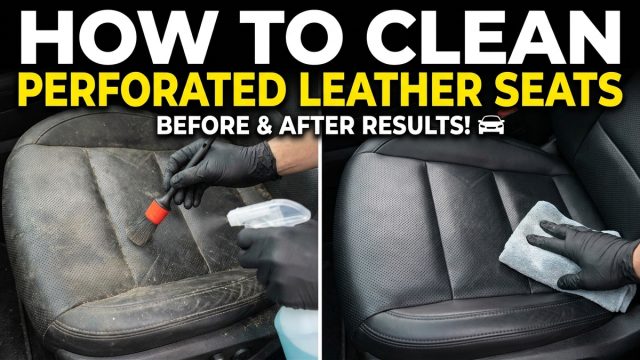
How To Clean Perforated Leather Car Seats?

We’ve all eaten or had a drink in the car at some point or maybe your kid dropped a snack or spilled juice between the seats. Days later, the area feels sticky or starts to smell a little off. That’s often because of perforated leather seats.

They look classy and add comfort, especially in luxury vehicles. But those tiny holes, designed to help with airflow and cooling, can trap dirt, crumbs, and liquids if not cleaned properly.

In this blog, you’ll find a simple, step-by-step guide to safely clean and maintain your perforated leather car seats at home

Step-by-Step Cleaning Process

Vacuum the Seats to Remove Dirt and Dust

Start with a soft vacuum nozzle to clean off crumbs, dust, and dirt. Pay close attention to the perforated areas; those tiny holes can hide all sorts of dirt, and if you skip this step, you’ll end up rubbing that dirt deeper in when you start wiping.

Use Compressed Air to Clean Out Perforated Holes

After vacuuming, use compressed air to loosen any dust stuck inside the tiny holes that the vacuum couldn’t reach. Just be sure to hold the can a few inches away so you don’t damage the leather seats.

Apply Leather Cleaner Around the Holes

Apply a small amount of leather cleaner to a microfiber cloth. Never spray it directly onto perforated leather. Gently wipe the seat in small sections. For stubborn spots, use a soft brush to clean without pushing product into the holes. Be extra careful during this step to prevent any liquid from getting inside.

Dry the Surface Gently with a Clean Cloth

After cleaning, take a dry microfiber cloth and gently blot the surface to absorb any leftover moisture. Focus on the perforated areas, and avoid rubbing too hard, as that could push moisture deeper into the holes. Let the seats air dry naturally for a few minutes.

Condition the Leather to Keep It Soft and Protected

After the leather is fully dry, apply a small amount of leather conditioner to a microfiber cloth. Gently rub it into the leather using circular motions, but avoid the perforated holes. You want to moisturize the leather, not clog the holes with conditioner. After a few minutes, wipe off any excess with a clean, dry cloth. This step helps keep your seats fresh-looking and protected.

Final Check and Leather Care Tips

Now that your seats are clean and conditioned, take a few minutes to do a quick check for any missed spots, especially around the seams and perforated sections.

To keep your perforated leather seats looking great, follow these simple care tips:

  • Wipe regularly
  • Avoid eating or drinking in the car. If you do, clean up spills right away.
  • Avoid harsh cleaners
  • Protect from the sun
  • Condition every few months

Conclusion

Perforated leather seats might look fancy, but they need the right care and know-how to stay that way. By following these steps, you can keep your seats looking like new. A little regular maintenance goes a long way in protecting your car’s interior.

FAQ Section:

Q1: Can I use household cleaners on perforated leather seats?

It’s not recommended. Most household cleaners are too harsh and may dry out the leather. Always use a leather-specific cleaner

Q2: Can I clean perforated leather seats regularly using just conditioner?

For regular cleaning, always use a leather cleaner first, then apply conditioner as a follow-up step to keep the leather soft and prevent cracking.

Q3: Can I use a steam cleaner on perforated leather?

No, steam cleaners can force moisture into the holes and damage the leather.
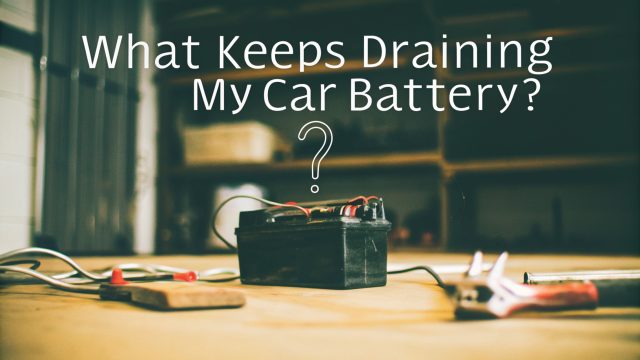

What Keeps Draining My Car Battery?

You’re late for work, coffee in hand, and your car won’t start again. And you’re left wondering: What Keeps Draining My Car Battery?

A drained battery can be puzzling, particularly when things appear a mess. You may have switched off the lights, or the battery might be brand new. What could be the issue?

In this guide, we’ll break down the most common things draining your car battery and show you how to fix them, even if you’re not a mechanic.

Common Causes of Battery Drain

1. Lights Left On:

Sometimes, a light inside your car is on, draining your battery. This can happen when you turn off the car, but the door isn’t closed properly, or a switch is left on. Some new cars have a feature that turns the lights off automatically, but if your car doesn’t, you have to switch them off yourself otherwise, they can drain your battery.

2. Old Battery:

Every part has its limit, After about three to four years, you may notice your car takes longer to start. Especially in cold weather, you may notice your engine starts more slowly, your lights look dimmer, or you need a jumpstart more often. It starts draining faster than it should, so it’s not a small issue. These are the signs your battery should be replaced before it leaves you stuck.

3. Big Temperature Swings:

If your battery is old, your car won’t handle very hot or very cold weather well. In summer, the heat can dry out the battery, and in winter, the cold can slow it down, making it harder to start your car. A new battery can handle these temperatures much better.

4. Quick Drives And Long Breaks:

The battery slowly drains when you only take quick drives, like running to the nearby grocery store. In those short trips, the alternator doesn’t get enough time to fully recharge the battery. Also, if your car sits parked for weeks without being driven, the battery keeps draining even if it’s pretty new.

5. Battery Not Plugged In Right:

The metal connectors on your battery can become loose or dirty over time, especially if you drive on bumpy roads. If they’re not tight or covered in white or greenish powder, your car might not start easily. It also makes it harder for the battery to send power to the car and can even affect your car’s electronics.

In-Depth & Overlooked Battery Drains:

1. Parasitic Battery Drain:

Sometimes, small systems continue running even when the car is off, like a tiny light in the glove box, security systems, USB port, power seats, dashcams, or the clock. To avoid this, double-check that your glove box is fully closed and no lights are left on when you leave your car. Otherwise, you might come back to a dead battery. If you think you’re dealing with a parasitic drain, you can check it yourself by disconnecting the battery, using a multimeter, and looking for a current draw over 50 milliamps. If you find one, start pulling fuses one at a time to figure out which system is causing the issue.

2. Battery Not Getting Charged While Driving:

When you start your car, the battery does the work. The alternator keeps it charged while you drive. If the alternator isn’t working properly, the battery won’t get the power it needs. So even if you were just driving, your car might not start the next time you try. This kind of charging problem can drain your car battery.

3. System Glitch in Car Electronics:


You park your car at night, everything seems fine, but in the morning, the battery is dead. It could be because something is wrong with parts of your car, like the BCM or Engine Control Unit, which control electrical systems. These systems act like the car’s brain, and if they glitch or don’t shut down properly, they can slowly drain your battery without you knowing.

4. Extra Stuff You Installed in Your Car

Let’s say you leave a phone charger plugged in all the time, even when the car is off it could leave you with a dead battery by morning. Things that didn’t come with your car, like a custom sound system, dash cam, or extra lights, can also keep pulling power from your battery if they’re not wired properly.

5. Bad Fuses or Ground Wires

It happens when there’s an issue with the electrical connections in your car. Fuses protect your car’s electrical system from getting too much power. If the fuse is broken, it can stop parts of your car from getting power. Ground wires are the pathways that complete the electricity flow. If these wires get disconnected, your car’s electrical systems may not work properly, which can drain your battery.

“Did you know that a car battery typically lasts 3-5 years? However, about 25% of drivers experience battery failure before it reaches that age, often due to factors like electrical drain and extreme weather.”

Tips to Keep Your Battery Healthy

Use a Smart Battery Charger

A smart charger keeps your battery healthy by giving it exactly the power it needs. It automatically stops when the battery is full, so it doesn’t overcharge. It’s perfect if your car stays parked for a long time.

Get Your Electrical System Tested Annually

Once a year, have a mechanic check your battery and electrical system. This helps find small problems early before they leave you stuck with a dead battery.

Clean your terminals

Clean your battery terminals regularly to make sure the battery can send power properly. The most common way to clean them is by using a mixture of baking soda and water.

Protect the Battery with an Insulation Kit

You can use a battery insulation kit in very hot or cold weather to protect your battery. It helps the battery last longer and work better.

Double-Check Lights

Before leaving your car, always check that all the lights are off. This helps prevent the battery from draining overnight.

Conclusion

Taking care of your battery can save you from unexpected breakdowns. By understanding the common causes of battery drain and following these prevention tips, you can keep your battery healthy for longer. A little attention and regular checks will help keep your car running smoothly. Otherwise keep on thinking What Keeps Draining My Car Battery?